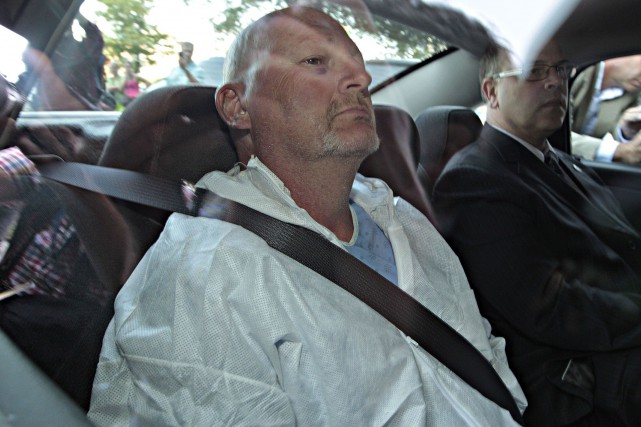
Juries of a criminal investigation are allowed as much time as they need to collectively make a decision for a conviction. Juries can even take days if they want to. One famous Canadian criminal case holds the record for longest time a jury took to deliberate:
The Richard Henry Bain trail took jurors 11 days to come to a final decision. Read more about it here: https://montrealgazette.com/news/local-news/bain-jury-deliberation-among-the-longest-in-canadian-history
Juries are not given a time limit to deliberate on a conviction, so why would a jury take as little time as two hours to convict a senior high school student of first degree murder? Was two hours enough to send a young teen to jail for the rest of his life?
The jury of this criminal case was not the only reason Adnan was sent to prison so easily; another question can be asked when Adnan’s innocence is brought up.
Why is Adnan the only suspect?
Adnan Syed had no physical evidence to hold him against the crime. No DNA evidence was found to link him to the crime scene or to the body of Hae Min Lee, the victim. The only thing that the crown attorney had against him were the words of Adnan’s ex best friend, Jay Wilds. Almost all of the Crown’s prosecutions relied on this one person, who claimed to tell “nothing but the truth”.
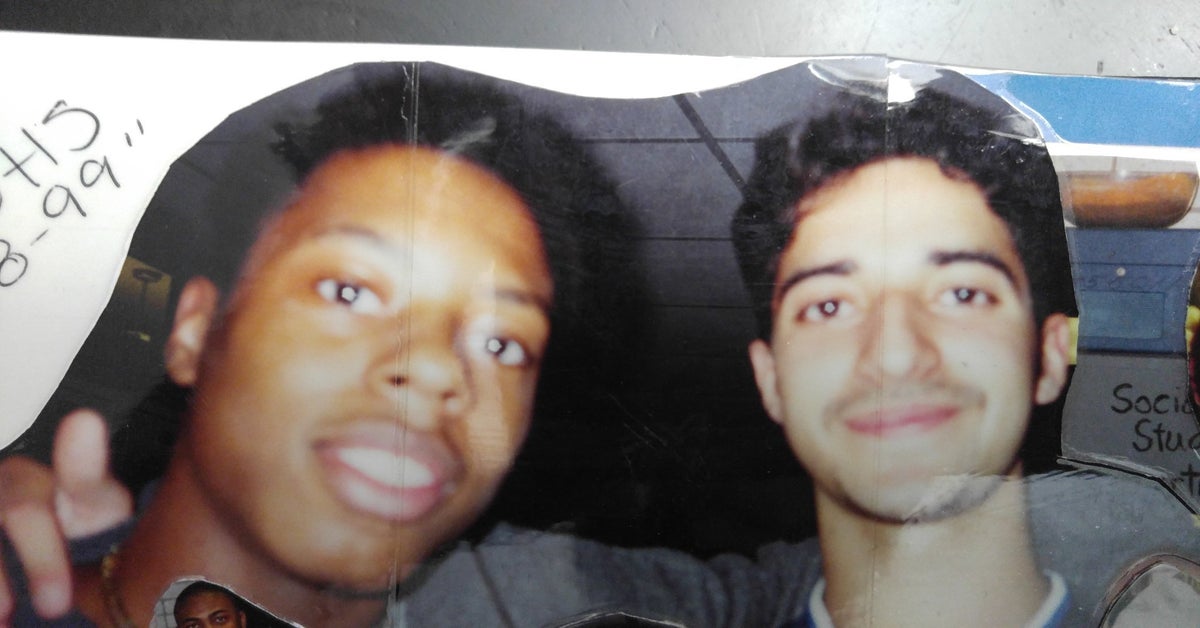
Both Jay and Adnan testified under oath, claiming to tell the whole truth and nothing but the truth, but it just so happens that their stories both contradict each other. How does the anyone know who is telling the truth?
Hypothetically, Adnan could be innocent, but he could also be guilty too. It’s the fact that Adnan was sent to jail for a lifetime without proper evidence that makes this case so controversial, and that the lack of evidence should never be grounds for a murder conviction.
After this trial, DNA evidence that had never been tested was brought into light in 2018. DNA not belonging to police or anyone involved in the case was found under Hae Min Lee’s fingernails, on some wires found near Hae’s body, and on the back of Hae’s rear view mirrors. Then Adnan was denied a new trial.
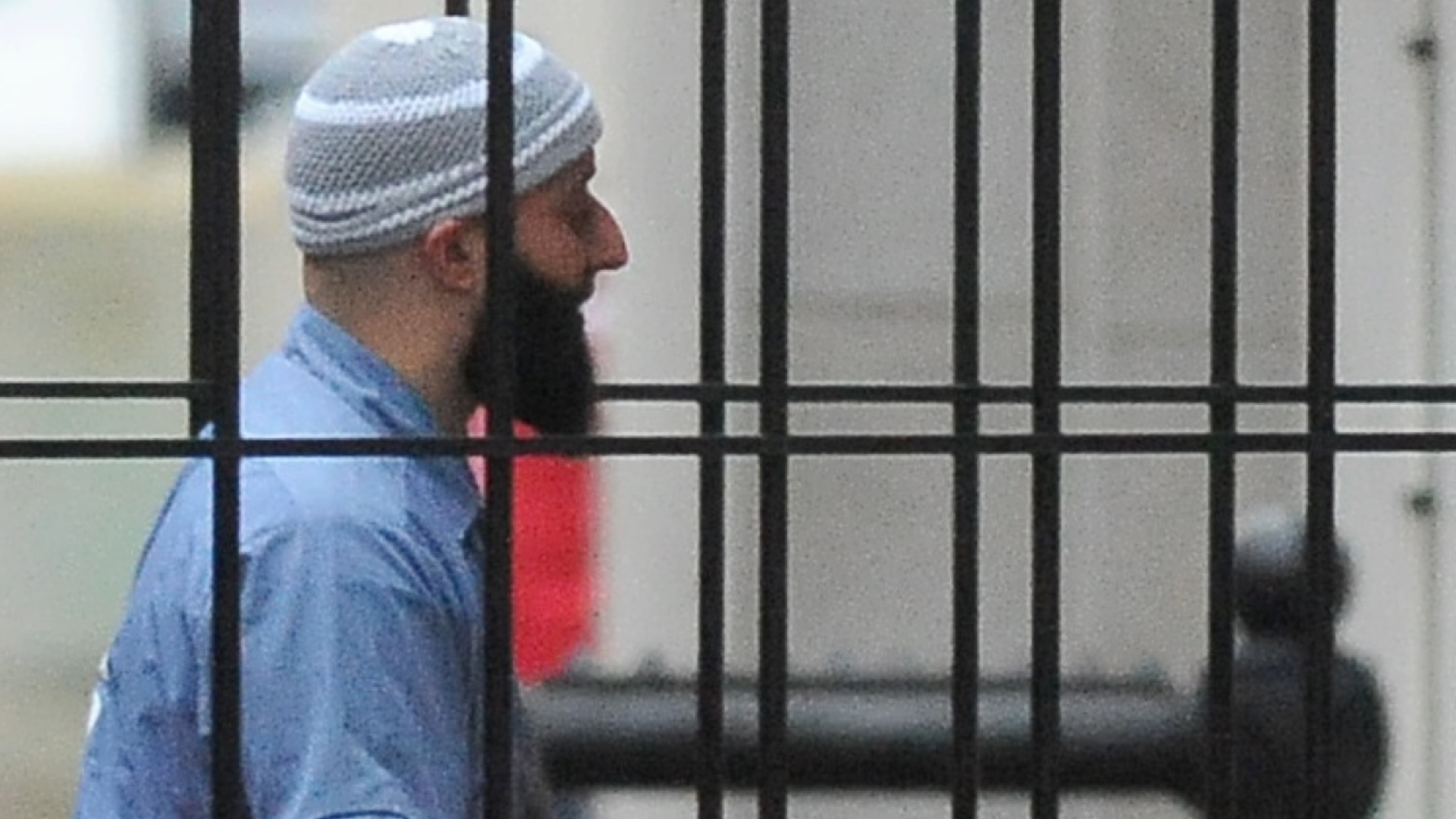
Evidence of a possible new suspect came into the picture well after Adnan’s conviction, and Adnan is still considered guilty by the law.
Now my opinion on all of this? The jury and the police responsible for this case did a disgustingly horrible job at convicting a killer. No evidence points to Adnan as a killer, and new evidence suggests that someone else did it. Even if Adnan is guilty (which he probably isn’t), he should never have been convicted. This case is an example of officials finding an easy answer to a crime (their first prime suspect has to be the killer, right?)
Wrongful convictions can happen all the time, and it’s just a matter of making a group of regular people take the perspective of the accusing side. In the case of a wrongful conviction, it doesn’t matter if you’re guilty or not. It matters how good your lawyers are.
Works Cited
Reilly, Dan. “The 7 Biggest Takeaways From The Case Against Adnan Syed.” Vulture, Vulture, 1 Apr. 2019, http://www.vulture.com/2019/04/case-against-adnan-syed-finale-revelations.html.
Obendrauf, Pierre, and John Kenney. “Bain Jury Deliberation among the Longest in Canadian History.” Montreal Gazette, 24 Aug. 2016, montrealgazette.com/news/local-news/bain-jury-deliberation-among-the-longest-in-canadian-history.
 Esme's Blog