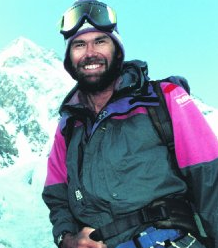
Jon Krakauer includes many archetypes in his novel Into Thin Air. Although his story is based on true events and shares the characters of real people, common archetypes can still be found in everyday life, including the people included in this tragic accident.
Rob Hall, an experienced mountaineer from New Zealand made five trips up to the top of Mount Everest, guiding and teaching climbers as they made their way up the ascent. Rob demonstrates the “Old Wise Man” archetype. In this story, he leads journalist Jon Krakauer up the mountain and provides him and his partners some crucial and lifesaving tips. Rob shares his wisdom and good judgment, demonstrating key components of the “wise old man” role.
“Every minute you remain at this altitude and above … your minds and bodies are deteriorating”
(Krakauer, 185)
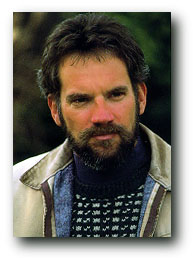
Jon Krakauer, the author of this story plays the “child” or the “innocent” archetype role of this story. Jon himself states that he has never climbed higher than the height of base one (29,028 ft), making him an inexperienced climber in relation to the skill and expertise it takes to climb the tallest mountain in the world. Jon himself understands that he is inexperienced, but when asked if he wanted to “go through with this”, he said yes “without even pausing to catch [his] breath”(26).
As Jon realizes that the act of climbing Mount Everest is the hardest thing he will ever do, he learns to depend on the help and guidance of his mentor, Rob Hall to guide and show him the way to his end goal, the summit of Mount Everest.
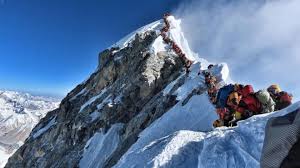
The summit of Mount Everest serves as a symbol throughout this entire story. The climbers, including Jon all strive to complete their bucket-list worthy goal of standing at the top of the world. This particular summit represents the highest point in a hero’s journey (both literally and figuratively). It is during this peak where a hero witnesses a sacrifice or death, which is predictable given the weather conditions and the physical states of the climbers.
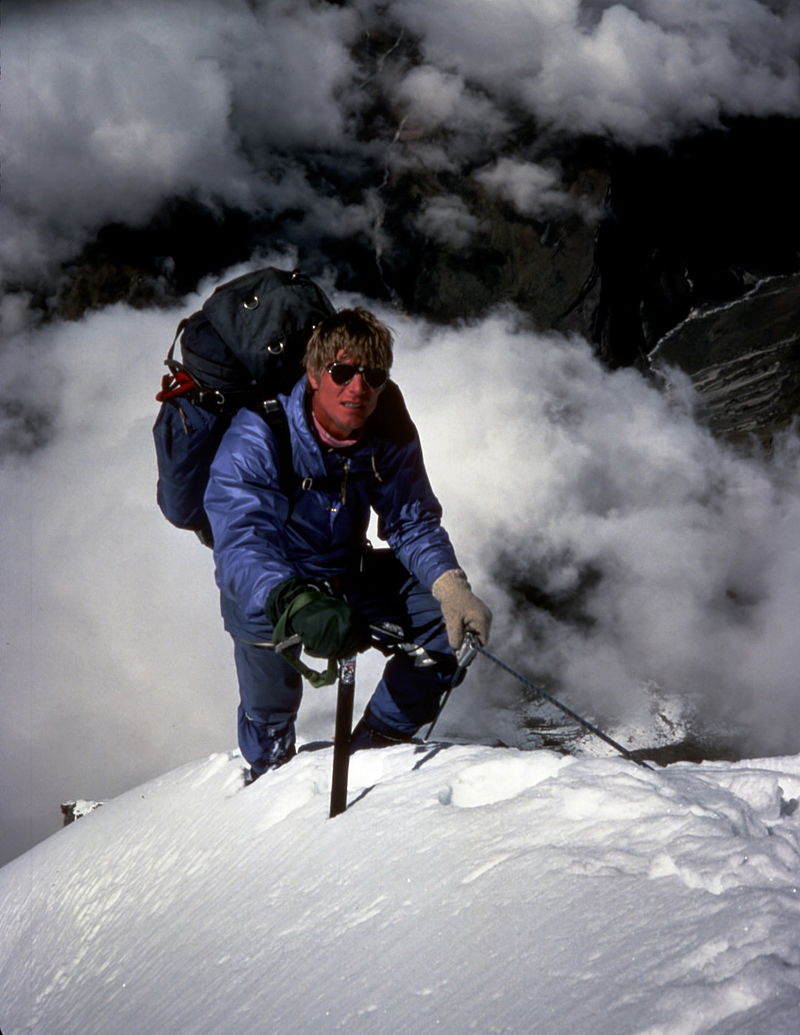
A death among these climbers is already predictable given the rebellious state that Ngawang Topche demonstrates (rebel archetype). Ngawang’s guide, Scott Fisher allowed his clients free range of going up and down the mountain during the acclimatization period, and suggested to Ngawang to descend back to base one. Ngawang, feeling the effects of altitude sickness and other factors refused to accept defeat. Consequently the sickness which he was suffering from was only noticed until the mountaineers got to base two. Ngawang failed to accept the fact that he HAPE (fluid build up in the lungs) and took off his oxygen mask.
“Ngawang’s eyes met mine and I could see how frightened he was”
(Krakauer, 110)
Ngawang failed to listen to his mentors and denied the obvious face of defeat. Although he knew he was sick, Ngawang continued and endangered the lives of his partners and guides by delaying the journey. Ngawang was selfish, broke the rules and will likely pay for his actions later in the story.
Krakauer, Jon. Into Thin Air. Anchor Books, 1999.
 Esme's Blog