Climbing Mount Everest: a Suicide Mission

Mount Everest stands the tallest mountain on our planet, and once discovered that it was, it became the world’s biggest challenge of reaching the top.

But one question has been continually asked throughout history: Why? Not only is this mountain the tallest in the world, but with over 300 deaths on this mountain it is also one of the most dangerous.

April 25, 2015. The Nepal MW 7.8 earthquake killed at least 9,000 people.

Nepal is known to have earthquakes, which can cause devastating results for climbers on Mount Everest such as avalanches. On April 25 of 2015 Nepal had a MW 7.8 earthquake, triggering a massive avalanche that killed 21 people.

The mountain is so dangerous that there is an area named “Rainbow valley” that holds the frozen corpses of those who never made it up(or down) the summit. Their colorful jackets littered in the valley is what makes it “Rainbow”.
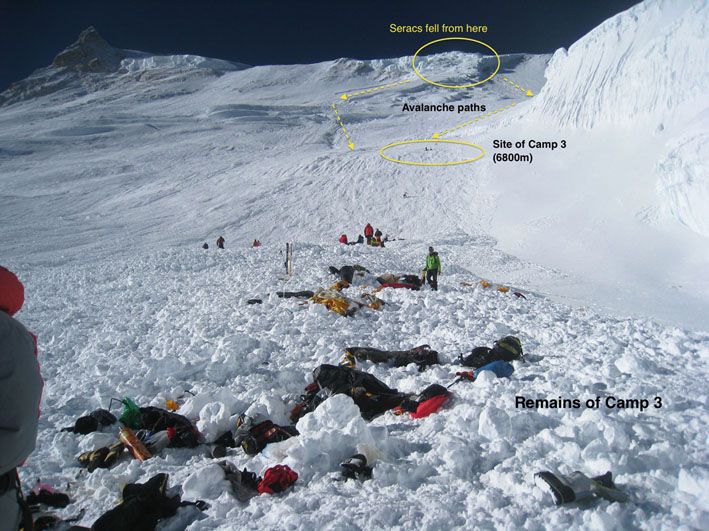
Tragic events are known to take place on this mountain, the most controversial being the “1996 Mount Everest Disaster” which was documented and written about by journalist and mountaineer Jon Krakauer, who experienced this tragedy first hand.

The novel Into Thin Air, a story based on the tragically true events that happened in 1996 proves that we as humans cannot take “no” as an answer.

1996 Mount Everest climbing group. Jon Krakauer third from left, bottom row.

Ngawang Topche, a climber featured in Jon Krakauer’s Into Thin Air demonstrates a very persistent and selfless attitude during this tragedy. During the ascent up the Mountain, Ngawang begins to feel the effects of altitude sickness and high altitude pulmonary edema. However, his conditions worsen as his group reaches camp two. Ngawang develops very self destructive behavior as he goes against medical advice, takes off his oxygen mask, and pushes himself too his limit. Denying the fact that he has severe health problems, Ngawang pushed his body to the tipping point in the hopes of overcoming a goal. This trip up to the summit ultimately costed him his life.

We are told by our parents, teachers, coaches and peers to always “chase your dreams” and “challenge the impossible”. But the problem with this is that if you give someone too much faith then they become overconfident and don’t know when to stop.

Although it is wrong to tell someone to chase their dreams, you should also know when to stop and when to put your health and well being first.

Many mountaineers who attempted to climb the tallest summit faced their unfortunate deaths in the process of doing the extreme; something they knew was deadly and still continued to try.

(References) Click here for more on

Mount Everest: https://www.nepalsanctuarytreks.com/mount-everest-facts-information/

April 25, 2015 Nepal Avalanche: https://qz.com/509641/everest-base-camp-avalanche-i-survived-the-deadliest-day-and-im-still-surviving-it/

1996 Mount Everest Disaster: https://academichelp.net/samples/academics/essays/expository/the-tragic-expedition.html
Adrenaline: Our Bodies’ Natural Drug

November 9, 2018

Plastic shopping bags painfully weigh down on my forearms as I wait for the pedestrian cross signal to flash. I turn to say something to my friend Rana, also carrying several plastic and boxy paper shopping bags in her hands. The night is cool tonight. It’s not cold but it is a low enough temperature for me to have thrown on my black, thick, fleecy zip up. Tiny little spits of rain hit my legs through my jeans like harmless pieces of gravel. The sun is just setting, but I can still see some pink and yellow streaks of glowing rays among the dimming blue sky.

Finally, the little glowing white man replaces the spot where the glowing red hand used to be. It’s safe to cross. I turn to Rana on my left and draw in a breath to say something to her. I look at her face. In an instant she goes from her usual toothy smile to looking like a deer in headlights. I wondered why.

The biggest impact I’d ever felt strikes me from my right. I close my eyes and tense my body. I’m moving, but I don’t know how. I can only make out a couple streaks of light, and Harvey’s notorious bright orange sign. I can’t make out the letters but I recognize it. All at the same time, I feel cold wind across my face and hear a yelp-like scream. This scream isn’t from me. Its from Rana, who is two feet beside me, watching my body fly without my own will from the cross walk into the middle of the street.

After being whipped 10 feet, all motion stops and I’m turned onto my back. I begin to feel coldness at the tips of my fingers and all around my legs. My immediate thought is : “I’m dead. moms gonna kill me”, but I wasn’t dead. The frigid sensation was from the cold, wet concrete. I couldn’t even feel the cold so much because my entire body was numb to feeling, yet I still shivered. I laid on my back with my arms and legs spread out like I would usually on a freshly folded bed. This was oddly comfortable. I lift my head up to look at Rana, who just called my two friends that were walking a couple blocks ahead of us. Completely dazed by this impact, I watch Rana grow more and more anxious from this angle, and then slump down into the comfort of my Forever 21 jacket of fluff.

“I’m calling an ambulance” I hear someone say, but I’m too bothered by my wet hair sticking to my neck than to think about an ambulance. I don’t even think I need one.

The pain doesn’t start to kick in until I get to the emergency room. My leg feels like it’s swelling by the minute. Every time I feel my blood pump, my thigh aches with a persistent throb. This persistence exists and nags at me like a child would nag at their mother, except this child is as strong as the bumper of a 2005 Lexus LS model 430. I’m shaking uncontrollably, my hands twitching and my legs jolting every so often, reminding me of the never-ending pain in my leg, neck, back and head.

I lay in a curtained children’s emergency room and a doctor gives me two light-pink, pretty looking peanut sized pills to help with the pain. Truth is, I’d do anything for some adrenaline right now.

Into Thin Air: From an Archetypal perspective

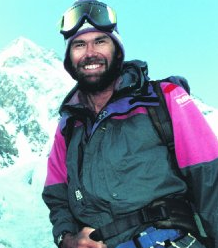
Rob Hall, infamous Mount Everest expert died in efforts to bring his crew down to safety.

Jon Krakauer includes many archetypes in his novel Into Thin Air. Although his story is based on true events and shares the characters of real people, common archetypes can still be found in everyday life, including the people included in this tragic accident.

Rob Hall, an experienced mountaineer from New Zealand made five trips up to the top of Mount Everest, guiding and teaching climbers as they made their way up the ascent. Rob demonstrates the “Old Wise Man” archetype. In this story, he leads journalist Jon Krakauer up the mountain and provides him and his partners some crucial and lifesaving tips. Rob shares his wisdom and good judgment, demonstrating key components of the “wise old man” role.

“Every minute you remain at this altitude and above … your minds and bodies are deteriorating”

(Krakauer, 185)

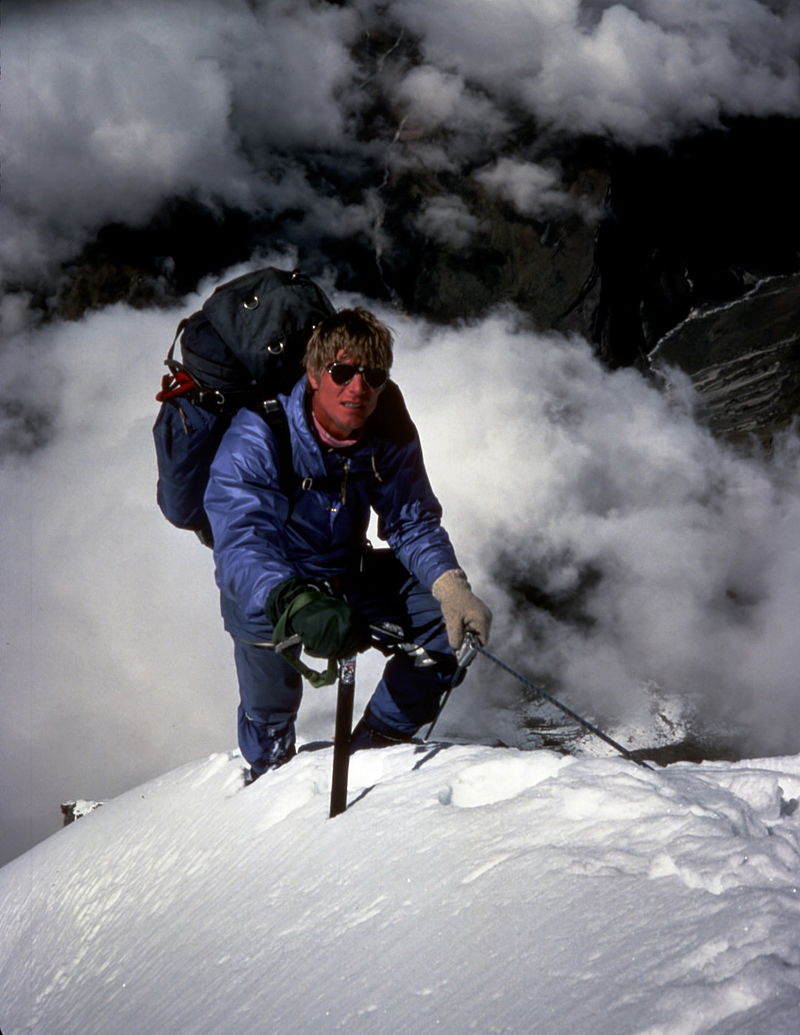
Jon Krakauer, author of novel survived the tragedies that took place during this controversial “Mount Everest disaster”.

Jon Krakauer, the author of this story plays the “child” or the “innocent” archetype role of this story. Jon himself states that he has never climbed higher than the height of base one (29,028 ft), making him an inexperienced climber in relation to the skill and expertise it takes to climb the tallest mountain in the world. Jon himself understands that he is inexperienced, but when asked if he wanted to “go through with this”, he said yes “without even pausing to catch [his] breath”(26).

As Jon realizes that the act of climbing Mount Everest is the hardest thing he will ever do, he learns to depend on the help and guidance of his mentor, Rob Hall to guide and show him the way to his end goal, the summit of Mount Everest.

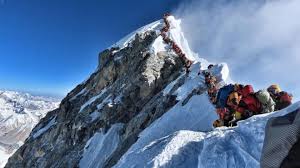
With a summit of 8,848m, Mount Everest stands as the tallest elevation on the surface of earth.

The summit of Mount Everest serves as a symbol throughout this entire story. The climbers, including Jon all strive to complete their bucket-list worthy goal of standing at the top of the world. This particular summit represents the highest point in a hero’s journey (both literally and figuratively). It is during this peak where a hero witnesses a sacrifice or death, which is predictable given the weather conditions and the physical states of the climbers.

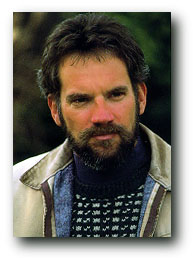
Scott Fisher, Ngawang Topche’s mountain guide.

A death among these climbers is already predictable given the rebellious state that Ngawang Topche demonstrates (rebel archetype). Ngawang’s guide, Scott Fisher allowed his clients free range of going up and down the mountain during the acclimatization period, and suggested to Ngawang to descend back to base one. Ngawang, feeling the effects of altitude sickness and other factors refused to accept defeat. Consequently the sickness which he was suffering from was only noticed until the mountaineers got to base two. Ngawang failed to accept the fact that he HAPE (fluid build up in the lungs) and took off his oxygen mask.

“Ngawang’s eyes met mine and I could see how frightened he was”

(Krakauer, 110)

Ngawang failed to listen to his mentors and denied the obvious face of defeat. Although he knew he was sick, Ngawang continued and endangered the lives of his partners and guides by delaying the journey. Ngawang was selfish, broke the rules and will likely pay for his actions later in the story.

Krakauer, Jon. Into Thin Air. Anchor Books, 1999.

A Case Worth Re-investigating: Adnan Syed

Juries of a criminal investigation are allowed as much time as they need to collectively make a decision for a conviction. Juries can even take days if they want to. One famous Canadian criminal case holds the record for longest time a jury took to deliberate:

The Richard Henry Bain trail took jurors 11 days to come to a final decision. Read more about it here: https://montrealgazette.com/news/local-news/bain-jury-deliberation-among-the-longest-in-canadian-history

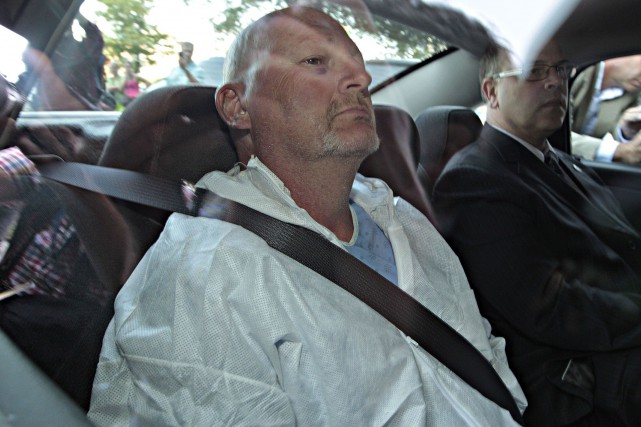
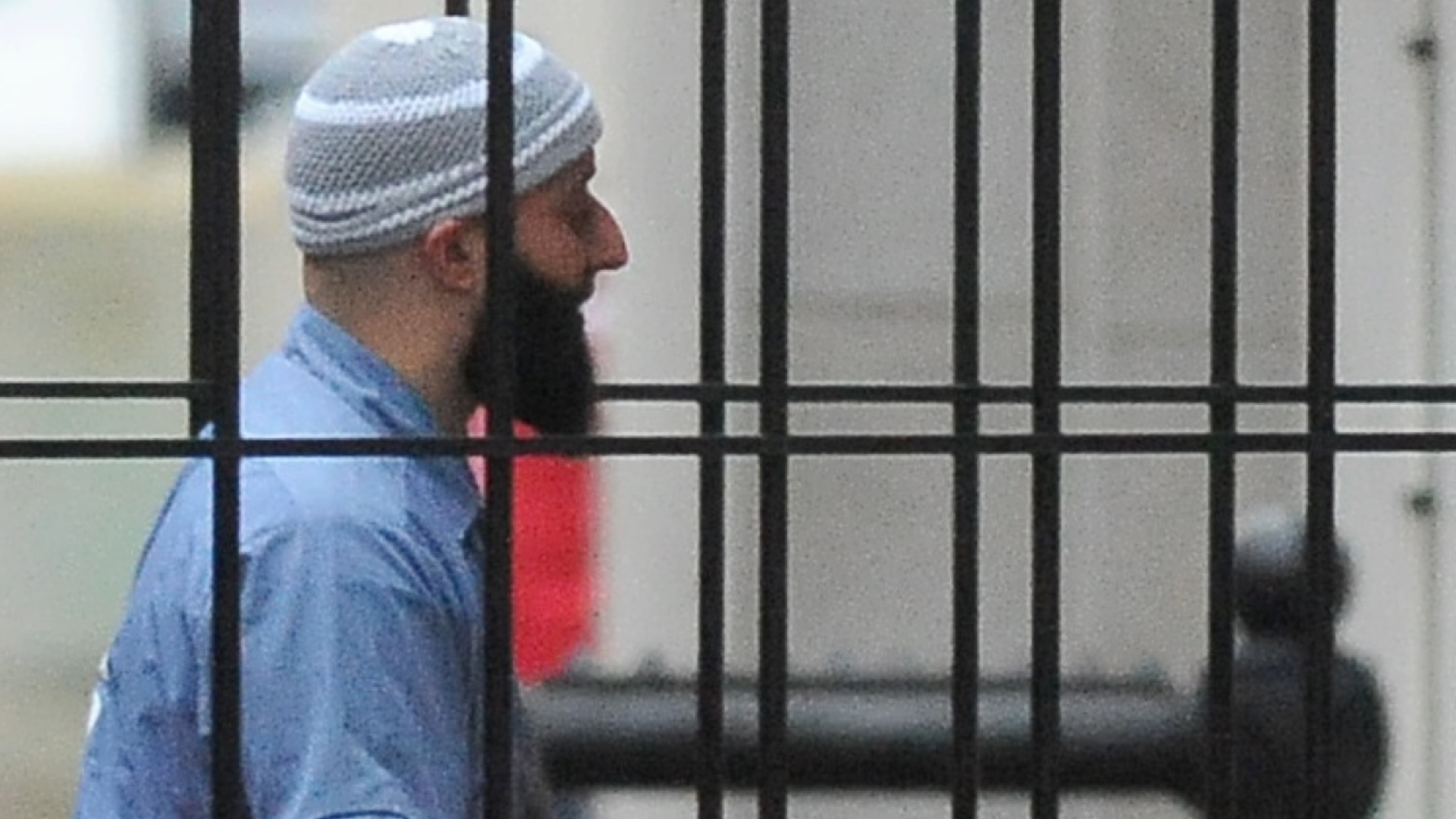
Richard Henry Bain, convicted murderer of 2012 Montreal Shooting

Juries are not given a time limit to deliberate on a conviction, so why would a jury take as little time as two hours to convict a senior high school student of first degree murder? Was two hours enough to send a young teen to jail for the rest of his life?

The jury of this criminal case was not the only reason Adnan was sent to prison so easily; another question can be asked when Adnan’s innocence is brought up.

Why is Adnan the only suspect?

Adnan Syed had no physical evidence to hold him against the crime. No DNA evidence was found to link him to the crime scene or to the body of Hae Min Lee, the victim. The only thing that the crown attorney had against him were the words of Adnan’s ex best friend, Jay Wilds. Almost all of the Crown’s prosecutions relied on this one person, who claimed to tell “nothing but the truth”.

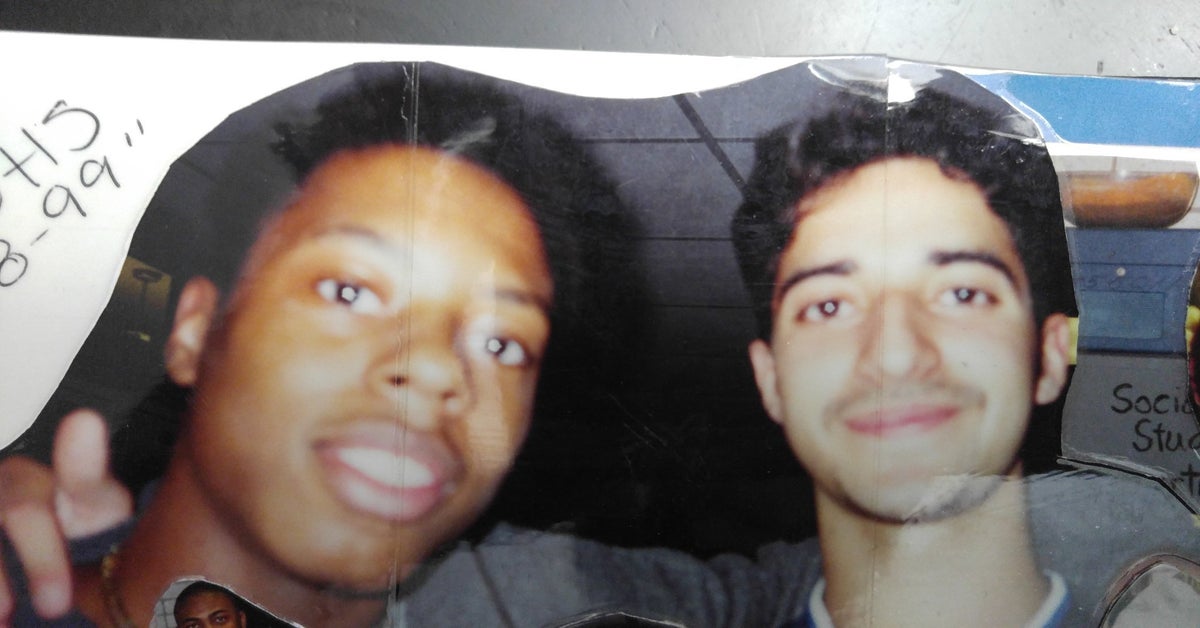
Jay Wilds and Adnan Syed, ex best friends who testified against each other in controversial criminal case.

Both Jay and Adnan testified under oath, claiming to tell the whole truth and nothing but the truth, but it just so happens that their stories both contradict each other. How does the anyone know who is telling the truth?

Hypothetically, Adnan could be innocent, but he could also be guilty too. It’s the fact that Adnan was sent to jail for a lifetime without proper evidence that makes this case so controversial, and that the lack of evidence should never be grounds for a murder conviction.

After this trial, DNA evidence that had never been tested was brought into light in 2018. DNA not belonging to police or anyone involved in the case was found under Hae Min Lee’s fingernails, on some wires found near Hae’s body, and on the back of Hae’s rear view mirrors. Then Adnan was denied a new trial.

No forensic evidence links Adnan Syed to the crime.

Evidence of a possible new suspect came into the picture well after Adnan’s conviction, and Adnan is still considered guilty by the law.

Now my opinion on all of this? The jury and the police responsible for this case did a disgustingly horrible job at convicting a killer. No evidence points to Adnan as a killer, and new evidence suggests that someone else did it. Even if Adnan is guilty (which he probably isn’t), he should never have been convicted. This case is an example of officials finding an easy answer to a crime (their first prime suspect has to be the killer, right?)

Wrongful convictions can happen all the time, and it’s just a matter of making a group of regular people take the perspective of the accusing side. In the case of a wrongful conviction, it doesn’t matter if you’re guilty or not. It matters how good your lawyers are.

Works Cited

Reilly, Dan. “The 7 Biggest Takeaways From The Case Against Adnan Syed.” Vulture, Vulture, 1 Apr. 2019, http://www.vulture.com/2019/04/case-against-adnan-syed-finale-revelations.html.

Obendrauf, Pierre, and John Kenney. “Bain Jury Deliberation among the Longest in Canadian History.” Montreal Gazette, 24 Aug. 2016, montrealgazette.com/news/local-news/bain-jury-deliberation-among-the-longest-in-canadian-history.

Into Thin Air: What do I think?

Mother nature who shows no mercy

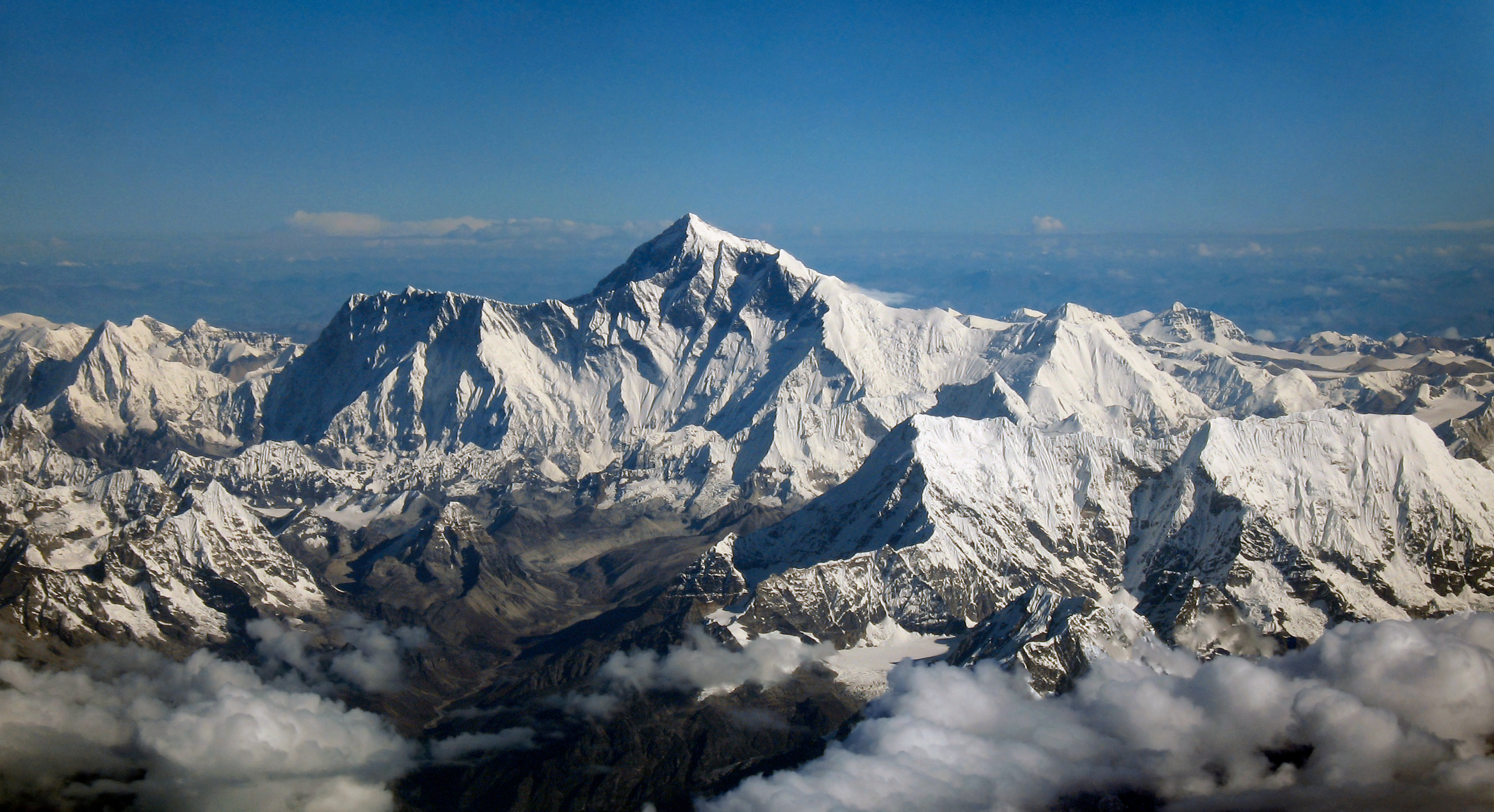
Mount Everest, tallest point in the world standing at 8,848 m.

Many may be familiar with the 1996 Mount Everest disaster, a true series of events that will go down in mountaineering history. This tragedy is shared by American writer and mountaineer Jon Krakauer, one of the few survivors of this casualty. Jon Krakauer encountered this disaster first hand and lived to tell it, by documenting it through his bestselling non fiction book Into Thin Air .


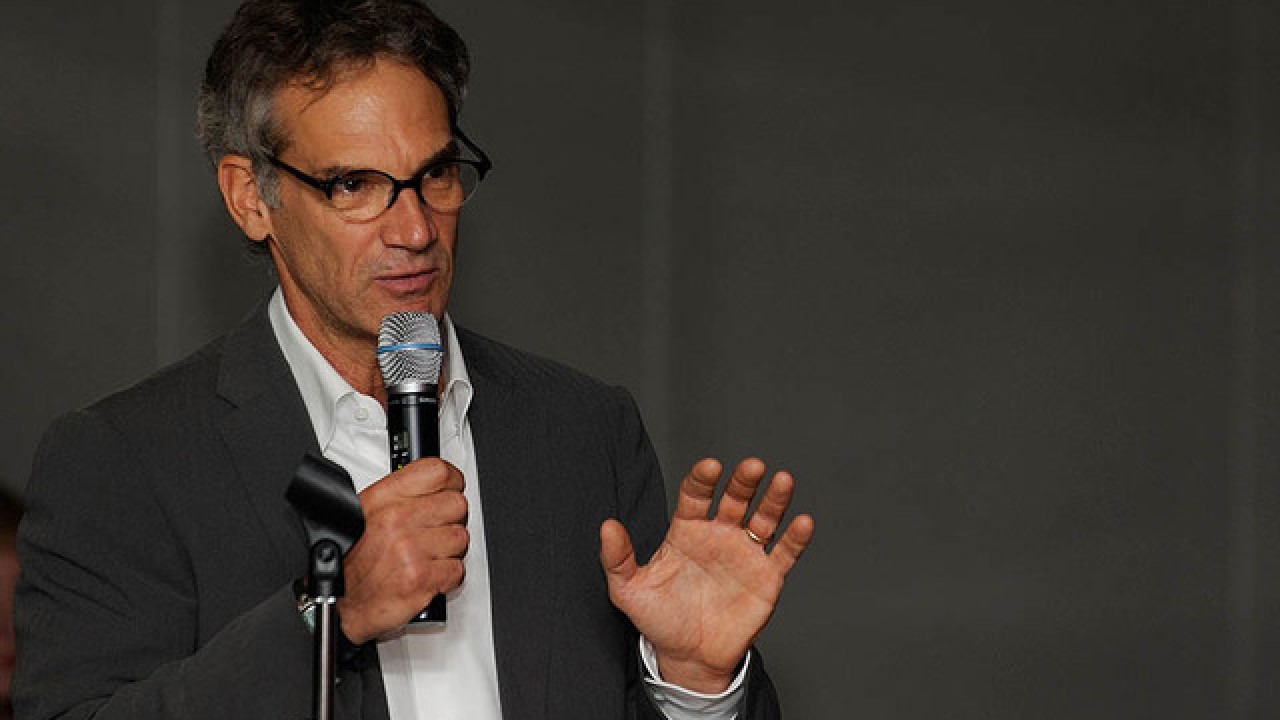
Jon Krakauer

Krakauer sets the tone of the story with one lingering statement:

“I’d been fantasizing about this moment, and the release of emotion that would accompany it, for many months. But now that I was finally here, actually standing on the summit of Mt. Everest, I just couldn’t summon the energy to care.”

(Krakauer 5)

Krakauer, Jon. Into Thin Air. Anchor Books, 1999.

This quote goes to show that reaching the top of the world amounts to almost nothing when you are facing one of the biggest physically and emotionally demanding tasks of your entire life. Maybe climbing to the tallest point of the world is more demanding of suffering and pain, rather than rewarding. Any reward that Jon may have been feeling in that moment has been overshadowed by the amount of pain he has endured, and he realizes that he must continue to endure this pain for the entire trip down the mountain.

It is outlandish to me as to why anyone would play in a game of chance against mother earth to climb one of the most dangerous slopes of the world. Mount Everest is unpredictable and unforgiving, and anyone that would risk their life checking off their bucket list is beyond my understanding and logic. Even the smallest of storms unnoticed could be lethal when climbing in extreme conditions.

However, humans love a good challenge. Tell them something is impossible and the next thing they will do is figure out a way to do the impossible. We as humans cannot accept the fact that some goals cannot be reached, and once Mount Everest was discovered to be the tallest peak in 1852, we reached the top of the world 100 years after.

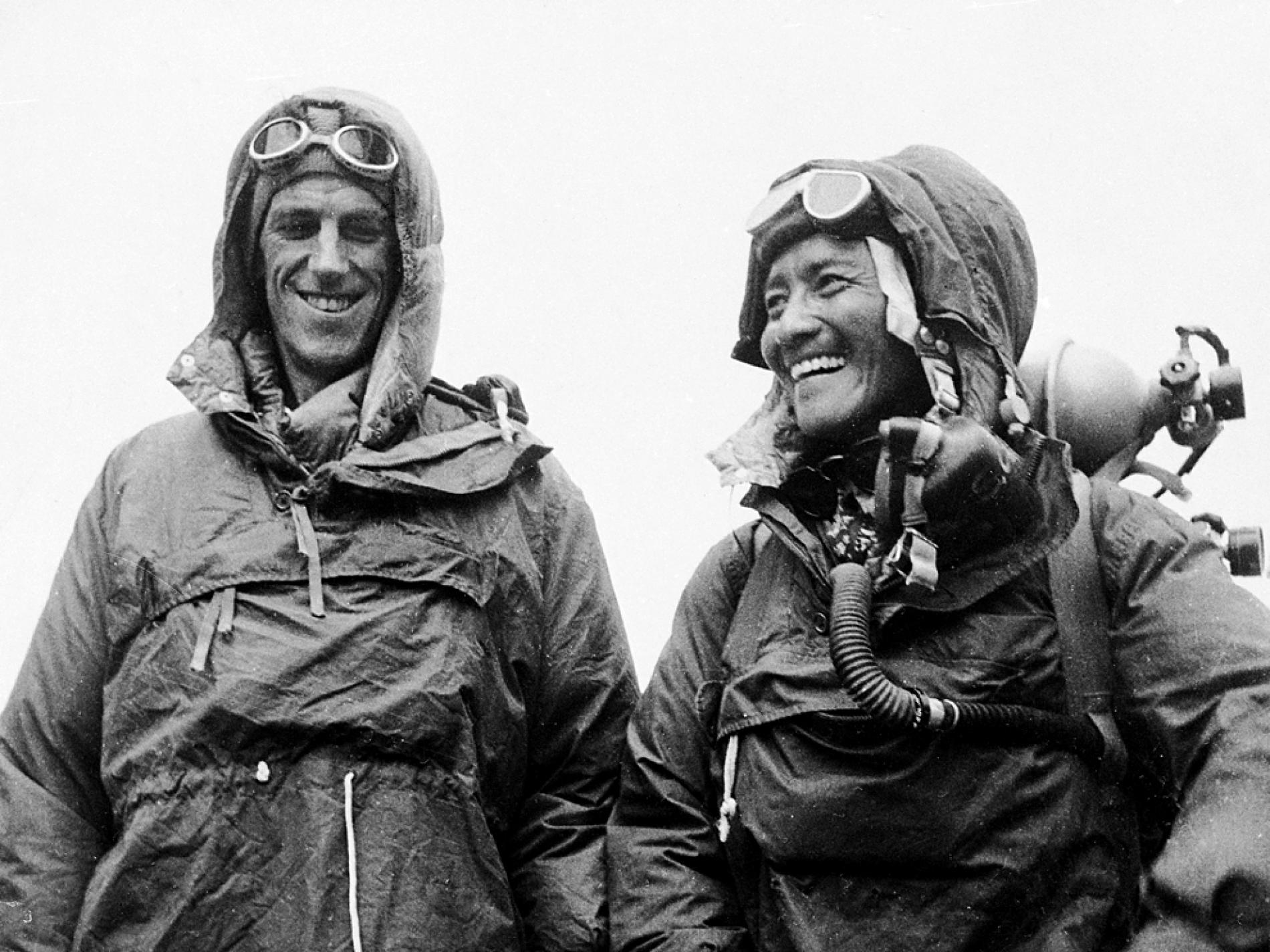
Sir Edmund Hillary and Tenzing Norgay, first people to reach top of Mount Everest.

“Once Everest was determined to be the highest summit on earth, it was only a matter of time before people decided that Everest needed to be climbed”

(Krakauer 14)

Krakauer, Jon. Into Thin Air. Anchor Books, 1999.

Although specialists and trained individuals can recognize that this mountain is one of the most dangerous mountains in the world with over 300 deaths, people still romanticize the idea of reaching the top. This brings me to the question of why?

Why in the world would anyone risk their lives attempting such a dangerous stunt?

Hopefully completing this book will give me some answers. Is it worth putting your body through excruciating pain to climb a mountain? And is it worth watching your partners and friends die? Jon Krakauer’s documented experience of this climbing disaster may help me understand why.

Krakauer, Jon. Into Thin Air. Anchor Books, 1999.

Innocent until proven guilty: Adnan Syed, Serial Podcast

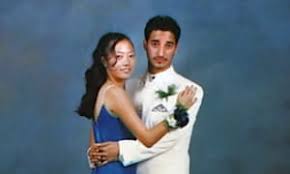
Adnan Syed and Hae Min Lee, 1999.

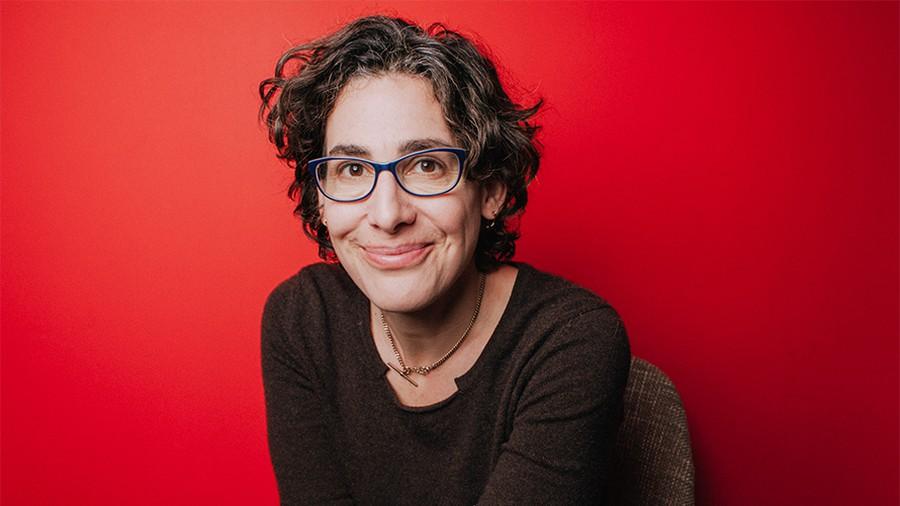
The case of “the people vs. Adnan Syed” became the topic of an American podcast “Serial”, hosted by investigative journalist Sarah Koenig, gaining world-spread interest and attention. This cold murder case from 1999 features Adnan Syed, a convicted felon doing time for the murder of his ex-girlfriend Hae Min Lee, which he says he never committed. Sarah Koenig reviews this unsolved murder mystery, interviewing and following up on the key witnesses and details of the case.

you can listen to the podcast here: https://serialpodcast.org/season-one

Sarah Koenig

The podcast is highly enjoyable and interactive in a way that allows for listeners to connect and form personal connections and ideas on the case. The host of the podcast, Sarah Koenig does a phenomenal job at this by creating content based on a real life, intense and mysterious murder case. Throughout the podcast Sarah keeps listeners like myself intrigued, as listeners investigate with Sarah and get to form their own opinions on Adnan’s innocence, or guilt on their own.

Learning about investigative journalism in this format is new to me and is a very fascinating way of telling and investigating a story, when done right. Sarah incorporated many strategies in her podcast to keep listeners attached to the case, presenting other’s experiences not with her own words, but with recordings of the witnesses and accused themselves. Listening to someone’s side of the story is very different if you were to read it; the way people say things, stutters and hesitations, emotions and energy, someone’s character. All things that a reader cannot generate with a news report or blog entry.

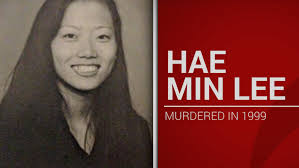
This case has grown tremendously and has raised awareness on Adnan’s case, even allowing for the case to be re-opened. However, there are still side effects to the result of a sensational, hot-topic case. Hae Min Lee’s family may be affected by the sudden and overwhelming attention. This responsible, athletic, well liked high school girl was murdered in 1999, but 15 years later an entire podcast is dedicated to questioning the conviction of her murder case. Hae Min Lee’s friends and family all struggled mourning the death of a loved one. All the attention on this case does not allow for a restful and quiet acceptance of their losses. Hae Min Lee’s friend speaks on her frustration:

Hae Min Lee, and friends

” I want to make sure that people remember that this was a person that lived and had a life and not just become so focused about, ‘this is an interesting case.’ It’s people’s lives.”

– Aisha Pittman for The Guardian

Listening to a podcast is so much more enjoyable to me than reading an article or book, because getting to listen to real people’s voices makes the experience of following a story personal. However, sometimes the narrator can create a biased environment if the narrator insists on a certain perspective. Books require for more creativity on the side of the listener, as listeners must envision and create characteristics with whatever text they are given. Books written from the perspective of the main character also can create a biased environment if the thoughts and opinions of other characters are not expressed.

Imagine having to remember what you had for dinner two nights ago. Now what time did you wake up that day? Sarah Koeing illuminates the problem with memory and the challenges that follow with memory during a murder case. Every factual argument in the courtroom relies on the memory of separate individuals. The fact an accused individual does not remember what one did on a specific date, at a specific time does not prove the guilt of that individual. Sarah Koenig kicks off her podcast with one burning question:

Can we trust our memory?

https://serialpodcast.org/season-one

https://www.theguardian.com/tv-and-radio/2019/feb/28/the-case-against-adnan-syed-what-happened-after-serial

Should grade 12 University level English be a requirement for entry into all university programs?

Grade 12 University level English should be required for entry into university programs as language is a critical and useful tool used as a form of expression, and communication. The use of language will be needed for all types of university courses and programs, as all courses require students to demonstrate their learning and understanding (what better way than to use words?).

The demonstration of knowledge through the use of English can be demonstrated with essays, presentations, seminars, videos and more. The English language allows one to write, read, understand and communicate ideas and topics, all needed to complete any university course.

As English is one of the most widely spoken languages in the world, the use of this language is a fundamental skill that can help one succeed in all areas of expertise around the world. Although English is not needed for all types of jobs and professions, it opens up an entire world of opportunities and benefits, like all other languages.

The language of English is not only limited to Canada. English is taught worldwide and knowledge of the English language is beneficial in many other countries outside of North America.

The countries classified as majority English speaking include:

  • Antigua and Barbuda
  • Australia
  • The Bahamas
  • Barbados
  • Belize
  • Canada
  • Dominica
  • Grenada
  • Guyana
  • Ireland
  • Jamaica
  • New Zealand
  • St Kitts and Nevis
  • St Lucia
  • St Vincent and the Grenadines
  • Trinidad and Tobago
  • United Kingdom
  • United States of America

Being able to communicate with others in different parts of the world is a huge step-up because it allows you to experience more as you are open to more connections,people, and opportunities.

As a Chinese Canadian with English as my first language and Chinese as my second, I have already seen and experienced first hand the benefits of knowing more than one language. Being familiarized with the Chinese language has never brought any negative effects to me. Knowing how to speak Chinese has allowed me to meet more people, hear more ideas, tour and visit places comfortably, and it has also given me more opportunities than others.

“To learn a language is to have one more window from which to look at the world”

https://www.theintrepidguide.com/best-inspirational-quotes-for-language-learners/#.XR1ViehKiUk

The world’s highest population is Chinese, making the most widely spoken language Chinese as well. Understanding this language allows me to communicate with more people, already giving me a head start with connections and opportunities.

Not only will English allow you to take university courses, but it is a skill that one will utilize everyday. Being able to write and compose thoughts accurately shows that one is well educated and is able to communicate with others. Understanding English allows for the proper composure of letters, emails, resumes, and more. English is ultimately a tool that provides many open doors and benefits for you as it is an expanding and growing language, guiding you through life.

https://www.fluentin3months.com/most-spoken-languages/ https://www.sheffield.ac.uk/international/english-speaking-countrieshttps://www.internetworldstats.com/stats8.htm

Design a site like this with WordPress.com
Get started